
After Years of Moving, She Finally Found Peace at Shama Ekamai Bangkok
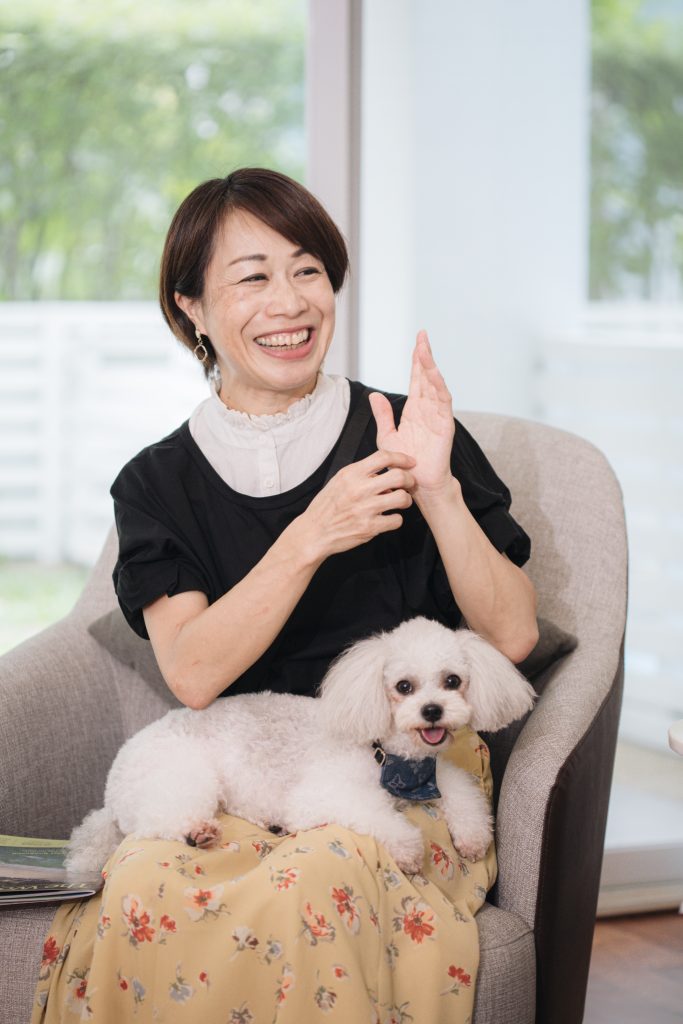
Every morning at around 6.30, Kiyoko Imaizumi wakes before the Bangkok heat arrives.
She takes her poodle, Nana, downstairs for a walk while the neighbourhood is still quiet. The streets are calm. The air is cooler. Other dog owners pass by slowly, greeting each other as their pets stop to sniff and play.
For Kiyoko, these small routines matter.
After almost twenty years living in Thailand, she no longer searches for excitement in a city. What she values now is something much harder to find in Bangkok.
Peace.

That search explains why she has stayed at Shama Sukhumvit Bangkok for nearly four years.
“I like low rise buildings,” she says simply. “And it is good for walking with my dog.”
At first glance, her life sounds quiet.
She drinks coffee at home. Sometimes prepares a simple breakfast of yoghurt and fruit. Watches Japanese dramas. Meets friends occasionally.
But underneath that calm routine is someone who has spent much of her adult life moving between countries, adapting to unfamiliar places, and rebuilding a sense of home again and again.
Long before Thailand, Kiyoko joined a working holiday programme in Australia. At the time, many of her friends had practical skills they could carry overseas. Some could cook professionally. Others worked in salons.

Kiyoko kept asking herself the same question.
What could she bring with her?
The answer became kimono.
Not simply wearing kimono, but understanding it properly. The fabrics. The structure. The careful process of dressing. Eventually, even learning how to make kimono by hand herself.
Today, she still attends kimono classes in Bangkok taught by a Japanese instructor. Some lessons focus on sewing. Others teach students how to wear kimono correctly without assistance.
The process requires patience. Hours of stitching. Precise folding. Attention to detail.
“You cannot rush it,” she says.
In many ways, the hobby mirrors the life she has quietly built around herself in Bangkok.
Minimal. Careful. Uncomplicated.
Inside her apartment at Shama Sukhumvit Bangkok, she prefers clean modern spaces with very little clutter. She fills the room with plants and spends long stretches of time alone comfortably sewing kimono fabric by hand while Nana rests nearby.
“I like green,” she says with a smile. “Trees, plants, everything.”
But creating this peaceful life did not happen automatically.
Over the years, Kiyoko moved homes repeatedly depending on her husband’s work assignments. Sometimes they returned to Japan for months at a time before coming back to Bangkok and starting over again in a new apartment.
Each move forced her to think carefully about what truly mattered in a home.
For many people, luxury means larger spaces or expensive interiors.
For Kiyoko, it means something else entirely.
Low stress.

“No stress is very important,” she says.
That may sound simple until she explains what she means.
In Bangkok, she says, daily life can quickly become exhausting when small problems are difficult to solve. Air conditioning breaks. Internet fails. Maintenance issues drag on for weeks. Communication becomes frustrating.
At previous buildings, resolving even simple issues often meant contacting individual owners and waiting endlessly for replies.
At Shama Sukhumvit Bangkok, she found something different.
“I like the fact that Khun Jai, our contact person, is very efficient,” she explains. “If something happens, they help quickly.”
That reliability became especially important during stressful moments.
Once, part of her apartment floor began lifting unexpectedly. Another time, she spent days dealing with a pest problem inside the room. Each time, staff members stepped in quickly to help solve the issue.
For Kiyoko, these moments shaped her trust in the property far more than luxury amenities ever could.
Because after years abroad, home is no longer about appearances alone.
It is about feeling supported.
That feeling extends beyond the apartment itself.
Living in Bangkok today, she says, often feels surprisingly close to living in Japan. Japanese supermarkets, restaurants, beauty salons, bookstores, and cafés are now easy to find across the city.
“You can find almost everything,” she says.


And yet, despite that familiarity, she has clearly built a life that belongs somewhere between two cultures now.
She speaks Thai. She studied English for a period. She takes the BTS across Bangkok to meet friends for lunch wearing kimono she has sewn herself.
Sometimes strangers stare. She does not seem to mind.
“It makes me happy to wear something I made myself,” she says.
That quiet confidence perhaps explains why Bangkok suits her so well. This is not a city she tries to conquer.
It is a city she has slowly learnt to live with comfortably. One peaceful routine at a time.
And for Kiyoko, that may be the best definition of home there is.
Explore more: Shama

Story: Sue Rattanamahattana • Photography: Chuleeporn Pannil
ABOUT HEARTMADE
Created to celebrate the 60th anniversary of ONYX Hospitality Group, Heartmade is a series of heartfelt stories inspired by the people who make every stay memorable, from dedicated team members to cherished guests across Amari, OZO, Shama, Oriental Residence, as well as our spa and dining brands.
Through personal memories, meaningful connections, and moments of genuine care, the series celebrates the warmth and spirit of hospitality that have brought people together for six decades. Stay tuned for more inspiring stories from the Heartmade series.
#ONYX60Years #MoreOfWhatYouLove #byONYXHospitalityGroup #LegacyInMotion #ONYXRewards #ShamaServicedApartments #Heartmade